Platform
Account types, research tools and strategies — everything you need for your trading.
One account. Three ways to put money to work.
The AI watches the markets and runs the trading — you choose how hands-on to be. Move freely between the rooms whenever you like, with no withdrawal and no waiting.
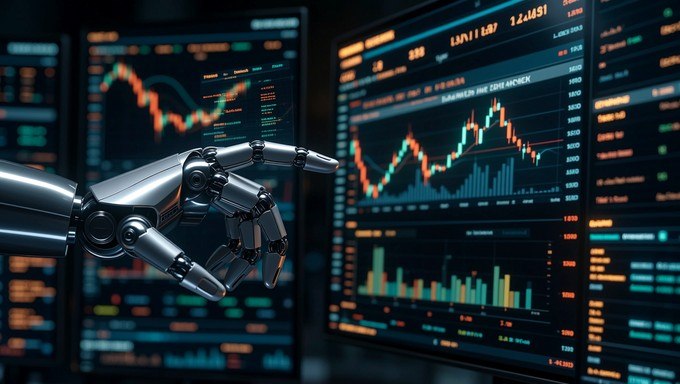
AI-driven trading
Our AI models read market conditions around the clock and manage execution, position sizing and risk levels — under the continuous oversight of our professional team. You follow every decision in real time and can take over whenever you want.

Investing
Shares and ETFs without leverage, for long-term ownership. The AI composes and rebalances the portfolio to your horizon — no margin requirement, no overnight financing.

Savings
Interest on idle cash waiting for its next position, in CHF, EUR and SEK. Capital that is not working in the market should not sit unremunerated.
Note for the firm: paying interest on deposits, investment services and AI-managed trading may require authorisation beyond the CFD licence. Confirm the product palette with the FINMA adviser before communicating it.
Analysis and trading tools
Decision support where the order is placed — not in a separate tab. Levels, calendar and exposure in the same view as the market.

Market analysis
Technical levels and volume profile per instrument, updated every trading day.
Calendar
Macro events with expected outcome and historical market reaction.
Exposure overview
Your aggregate risk per currency, sector and asset class — in real time.
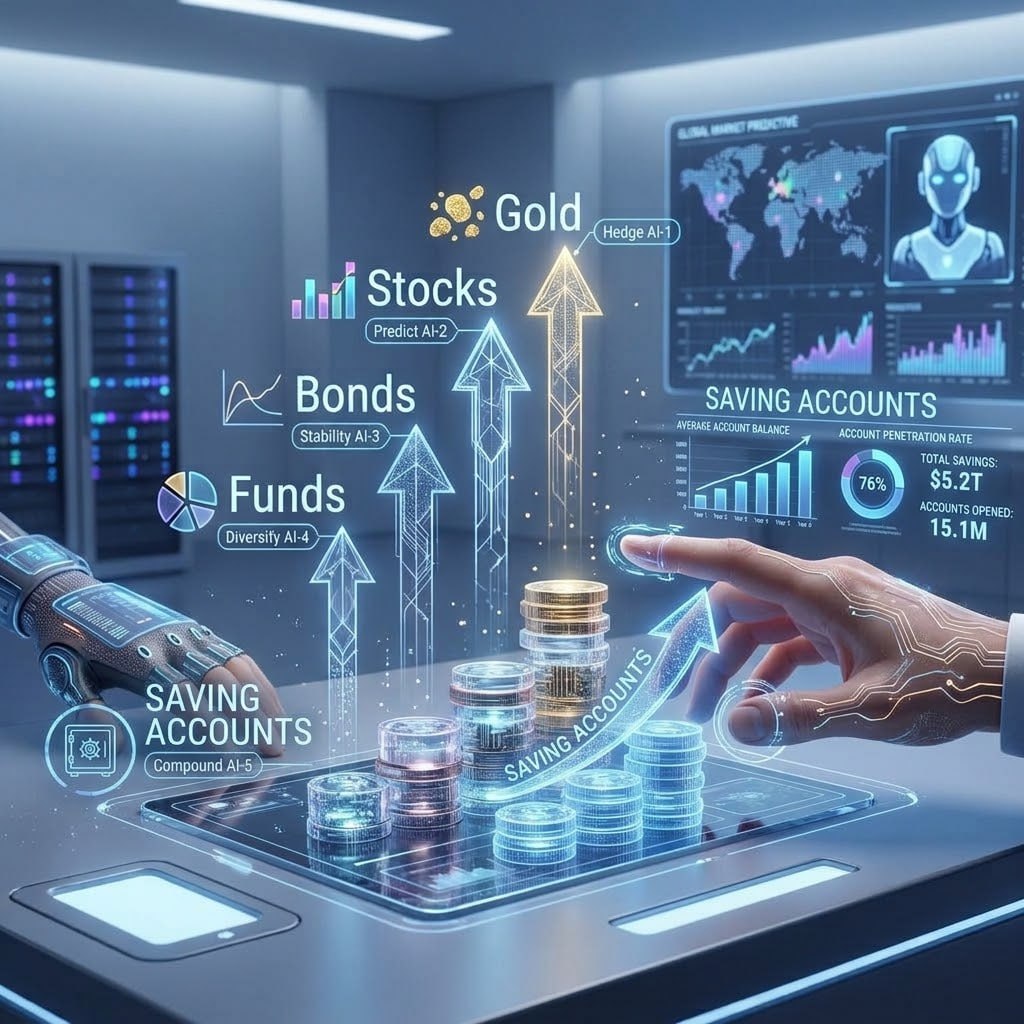
Asset strategies
Three established ways to structure an account. Not recommendations — starting points to shape to your own horizon and risk tolerance.
- 01Core and satellite. A broad base of index ETFs, active trading in a defined slice of capital.
- 02Dividend focus. Holdings selected for cash flow, with the savings rate as buffer between purchases.
- 03Tactical allocation. Rule-based reweighting between asset classes as conditions change.
The strategies are examples of account structure, not investment advice.